The Hammock Hypothesis: A Biomechanical Framework for Facial Aging
From the overview and seven causes to the biomechanical equation and layer-first treatment strategy — a systematic read of Lin's balance theory.
The root causes
Why does the face sag? First see the seven forces that pull it down, and how they pull on one another.
01 · Overview
Lin's Biomechanical Balance Theory—commonly called the Hammock Hypothesis—is a biomechanics-based framework for assessing and treating facial aging.
It models the facial structure as a hammock system and analyses the root causes of aging through seven core anatomical elements. Unlike the traditional view that reduces aging to "skin laxity", the Hammock Hypothesis treats it as a multi-factor, multi-layer chain reaction: bone resorption erodes the foundation, ligament laxity fails the anchoring, and the load-bearing capacity of fascia and skin declines—culminating in visible sagging.

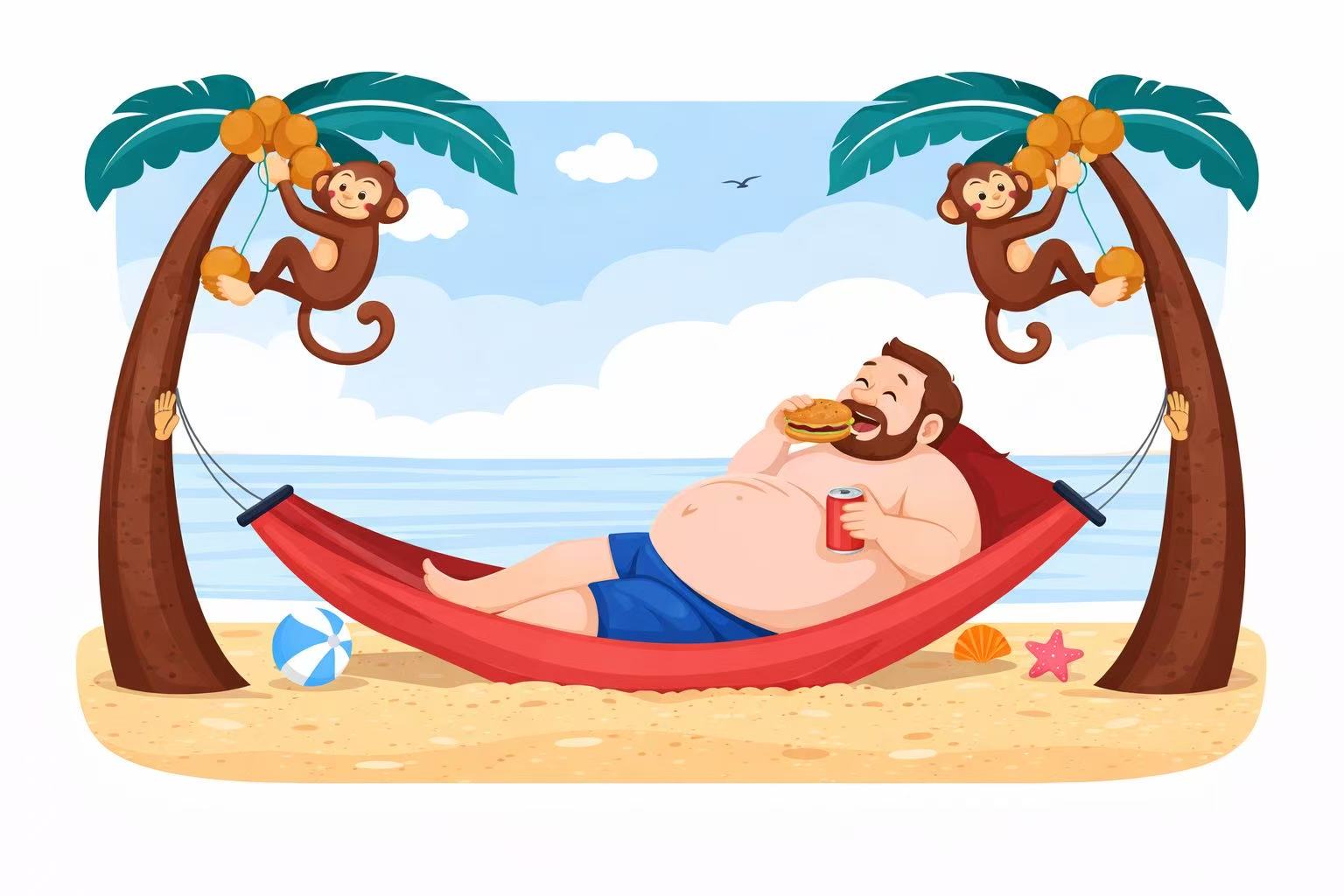
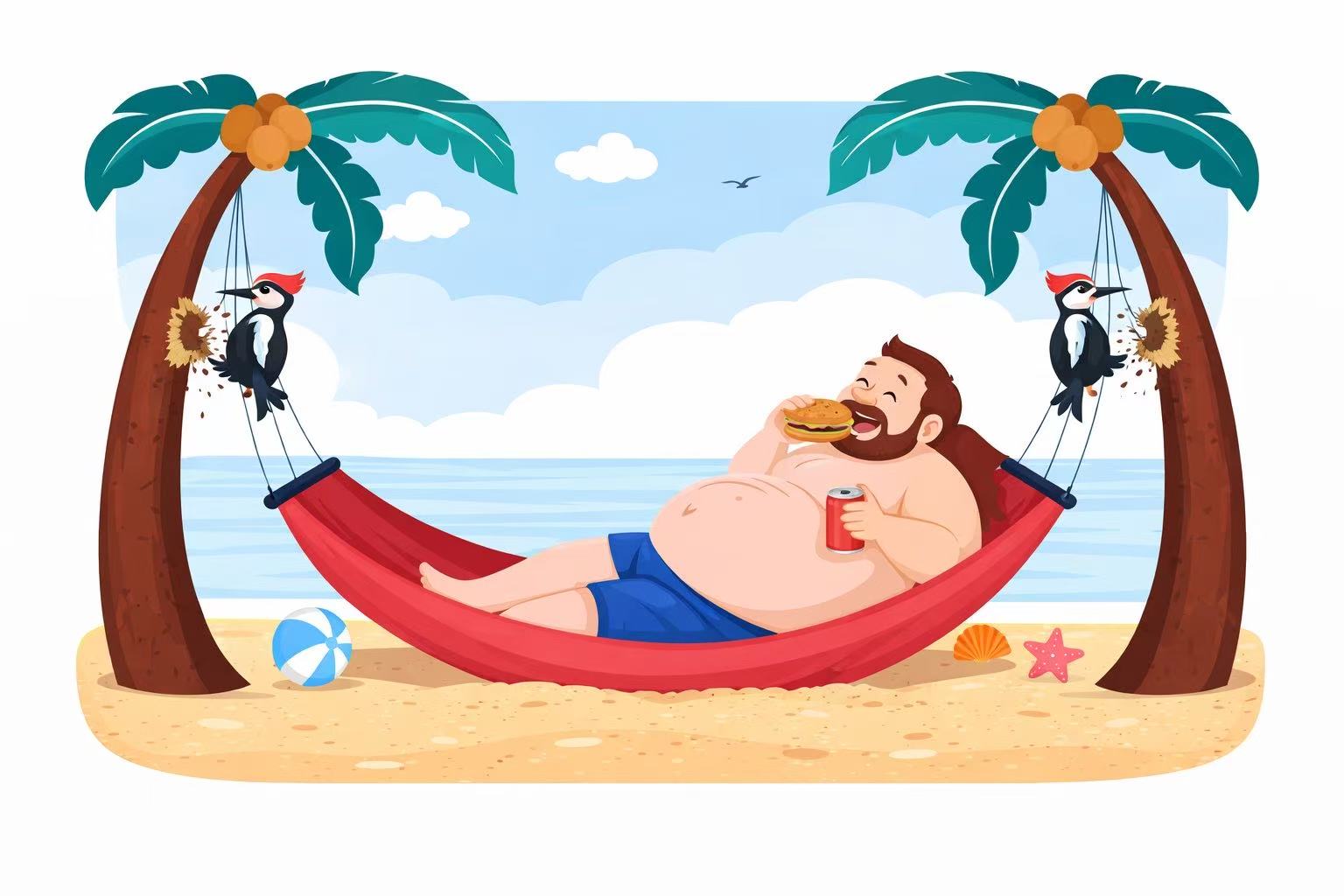
The core analogy: bone as pillar, ligaments as ropes, fascia and skin as the cloth.
| Bone · the pillar | Ligaments · the ropes | Fascia & skin · the cloth |
|---|---|---|
Provides the facial foundation and geometry; bone loss = a sinking pillar. | Anchor soft tissue in place; laxity = loosened ropes. | Carry and redistribute load; lost elasticity = a sagging cloth. |
02 · The seven causes of facial sagging
Seven core elements, and how each fails
Each element, and how it fails
Overloaded fatThe fat compartments are the person lying in the hammock—the main source of facial volume. Too much, or downward displacement, overloads the fascia and ligaments and accelerates sagging. |
Overactive musclesThe facial muscles are like someone constantly rocking the hammock; repeated contraction wears the fascia and ligaments and indirectly drives bony collapse. |
Fascial & skin laxityThe SMAS fascia and skin are the hammock cloth; once elasticity drops, the whole hammock loses shape and wrinkles appear. |
Ligament laxityLigaments are the ropes linking bone to soft tissue; when their elastic fibers break, tissue loses fixation and begins to descend. |
Attachment looseningLigament attachment points on bone are the hooks; bone resorption directly shifts them and robs tissue of its final anchor. |
Bone resorptionBone is the hammock's ground; its gradual loss lets every structure above sink. |
Masticatory damageRepeated masseter contraction is like a boar ramming the tree roots; over time it accelerates mandibular atrophy and undermines facial support from below. |



The framework
Reduce the seven forces to one computable balance—how upward and downward forces decide the state of a face.
03 · The biomechanical equation
Upward forces and downward forces together decide facial state.
Upward forces—skeletal support, elevator pull, ligament anchoring, fascial tension—meet downward forces—gravity, depressor pull, fat weight. When upward support overcomes the downward load, the face appears young, firm, and lifted.
| Upward forces | Anchoring forces | Downward forces |
|---|---|---|
Bone support, levator pull (frontalis, zygomaticus major) | Ligament anchoring, fascial septal tension | Gravity, depressor pull (depressor anguli oris, platysma), fat weight |
Four mechanical dimensions
Upward and downward forces decide the state of a face
FoundationSkeletal projection and deep fat pads provide the basic geometry. | AnchoringLigaments and fascial septa maintain tissue position. |
Load transferSMAS, facial muscles and fascia transmit and redistribute force. | SurfaceSkin and dermis reveal the visible result of deeper imbalance. |
Toward treatment
Back to the clinic: deep before superficial, support before volume—rebuild the facial hammock in three phases.
04 · Strategy: the layer-first principle
Treatment follows a layer-first order—deep before superficial, support before volume.
Rebuild bony support and ligament anchoring, then adjust volume and muscle tone, and finally refine skin quality. Four elementary operations accompany it: multiply (the jack) builds bony support, divide (tug-of-war relaxation) balances muscle tone, add (build the second floor) restores volume, and subtract (the sculptor's cut) refines contour.
Three treatment phases
Deep before superficial, support before volume
Phase 1 · FoundationMultiply (×) + ligament reinforcement: rebuild bony support and re-anchor ligaments first. | Phase 2 · StructureAdd (+) + divide (÷): restore volume, relax overactive muscles, rebalance forces. |
Phase 3 · FinishAdd/subtract (skin refinement): improve skin quality and final detail. |
05 · Core paper
| Hammock Hypothesis: The Hammock HypothesisAsia-Pacific Journal of Aesthetic Medicine · Published This paper presents a biomechanical-balance model of the seven-element mechanism of facial aging, treating bone, ligaments, fascia and skin as one interdependent hammock system, and derives an actionable, layer-first treatment framework. |
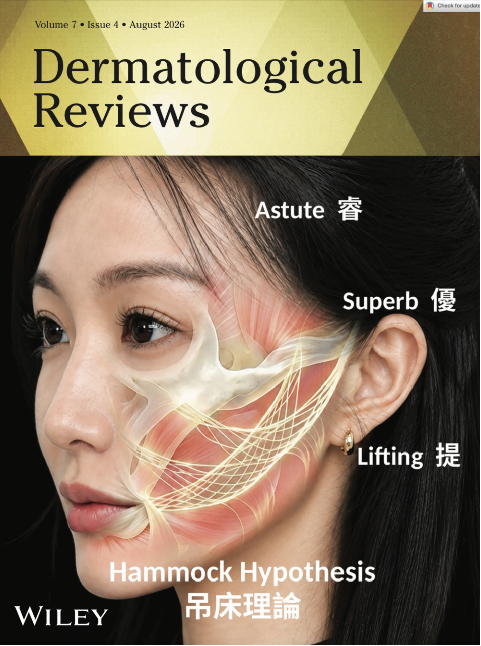
The systematic anti-aging review and the clinical injection guide will follow; see the Related publications section on the About page for the remaining papers.
See the theory in motion
Seven vivid scenes that walk you through the complete mechanism of facial aging.